

I’m really looking forward to tomorrow. It’ll be the second of our YouTube membership meetups on Zoom, and I’ll get to spend an hour and a half on a Saturday morning, sitting with other artists, drawing, and talking about what we love and how we do it.
As a fairly new transplant to Phoenix, I longed to meet other local artists. There is a fairly active Urban Sketching chapter here, but I dread going to any of the meetups. A group of people get together in some park or street corner; they sit around and draw some building, chatting and sharing art supplies, and then, after an hour or two, they all drop their sketchbooks on the pavement and talk about their different interpretations.
I’ve tried time and again to enjoy this process, and it always fails me. I just find it hard to both draw and talk to a bunch of people at the same time. Invariably, my drawings are not authentically me somehow, and I feel weird comparative, competitive instincts that sour me. There are so many lovely people, and we all have this incredible thing in common, so it should be a great experience. I walk back to my car feeling dehydrated and misrepresented and rueful.
The first places I found my people were online. In the golden age of zines and blogging, people like Richard Bell, Keri Smith, Ze Frank, and Andrea Scher would just type whatever they were thinking, making, watching, eating, cool books they’d read, and interesting bands they’d discovered. There weren’t any ads, agendas, subscriptions, or paywalls. It was just people making stuff and putting it out there.
Alas, social media died for me years ago.
Back in 2014, when we launched Sketchbook Skool, we spent a lot of time on Facebook. It was the first time many of us had met other people who were interested in sketchbooks. A lot of them were taking our classes, newly minted artists who were just getting excited about drawing.
Facebook, Yahoo! Groups, and Flickr made it possible to upload our drawings and get feedback. The warm, global creative community was a key part of the early days of Sketchbook Skool.
But then, in 2016, people started fighting with each other. No matter what we tried to do to calm things down or ask people to take their political acrimony elsewhere, it just felt less and less pleasant to be part of the group that we had created.
So we pulled up stakes, built a private social network called the Skoolyard, and invited our entire community to join us. Ever since, it’s been a calm and gentle place to be. People understand that the community isn’t a place for politics, division, or debate. It’s just a place to talk about pens, cross-hatching, and watercolor brushes.
The next community we forged was Spark. Our classes became regular places where people sat together in Zoom chats, made art and talked about what they were working on. It made the pandemic tolerable, survivable.
Soon, we had several hours of Zoom calls a day and dozens of instructors and support staff, which was too much for JJ and me to manage, so we shut it down.
Everything online is supposed to keep growing. Bigger, louder, more packed with ads. We decided to go the other way.
Which brings me to tomorrow.
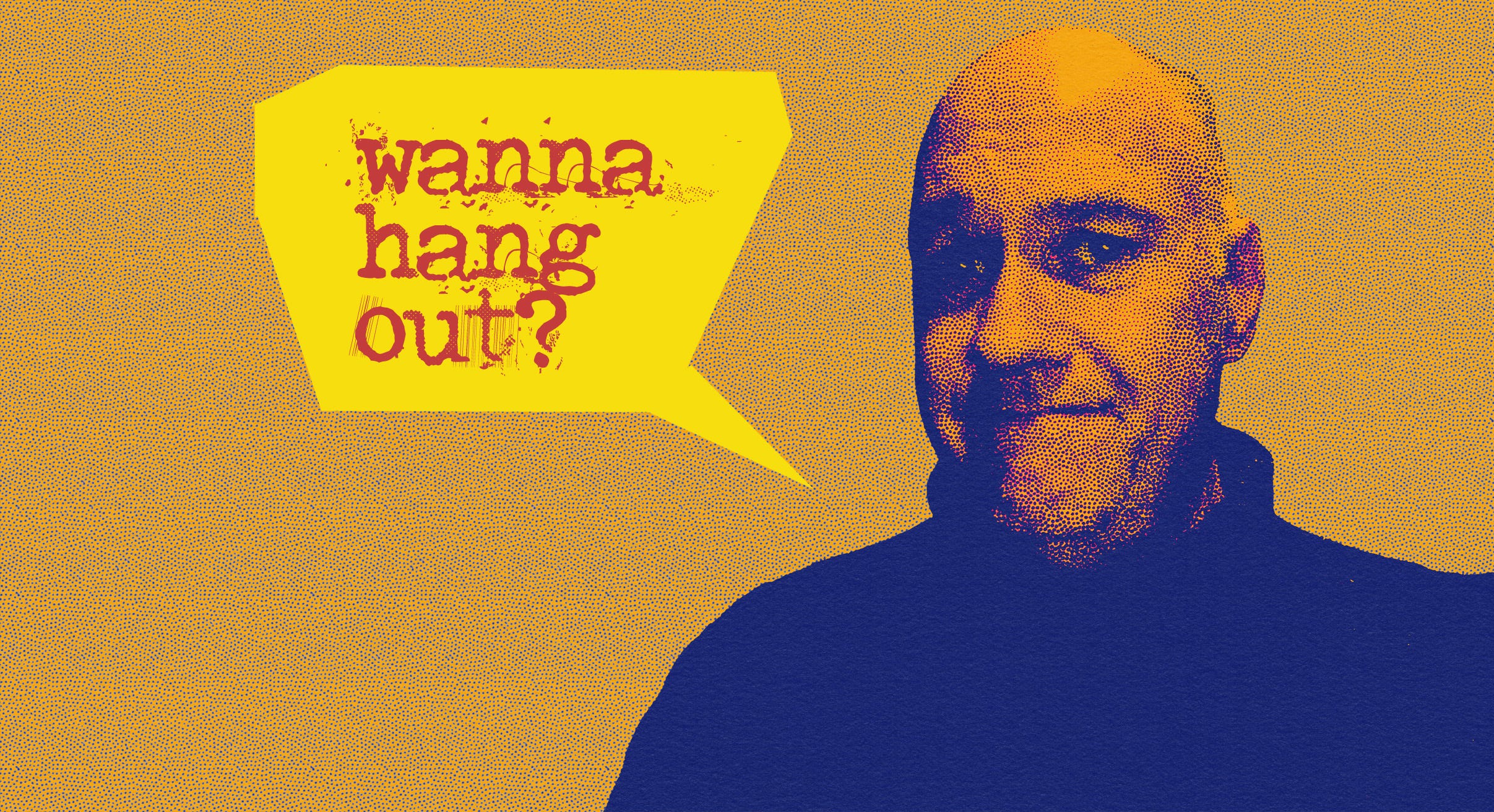
I’ve kept the member meetups deliberately low-key, no instruction, just hanging. It’s lovely to see people’s faces and hear their voices, and not just their names in a stream of chat.
At the first meetup, Anthea and her Pekingese logged on from Australia at midnight her time. John, in Alabama, told us the Paris workshop gave him the idea for a drawing of his town, and the new local museum bought it. “While you had the Eiffel Tower,” he said, “I had a water tower.”
I hope it stays low-key: sitting around with friends the way we did in school, everyone working on something, looking up now and then to see how the others are doing, cracking jokes, drifting onto some unrelated subject.
I want that back.
At that first meetup, Gail told me she’d learned more from watching me draw than from any lesson. That’s how it worked before there were art schools: you worked in somebody’s workshop and watched them paint. In 1886, Van Gogh came to Paris and moved in with his brother Theo, met Pissarro, Toulouse-Lautrec, and Bernard, and his palette went from Dutch mud to Technicolor.
In some ways, art is a lonely business: sit by yourself in a room and make something. But one of the core functions of art is to connect the thing that’s locked inside our heads with other heads and say, “This is what I see, this is how I feel, this is what I think I know. What do you think about it? Is it true of you as well?”
I’m so lucky to have people I can share what I make with. YouTube tells me how many people watch my videos, and their comments tell me what they felt. When I make a course to share what I know, I get to see how others apply that knowledge in making new and wonderful things of their own. When I write these essays each week and send them to you, and you write back to tell me what you think, well, that’s why I sit here at this keyboard emailing you every Friday.
Thanks for hanging out.
Your pal,
Danny
P.S. If you’d like to join our YouTube members and come to future meetups, click here. The subscription is less than $4, and, right now, the first month is free.