

Last weekend was lovely here in Phoenix, so I sat outside by the fire pit and read the Times. Three stories stuck with me.
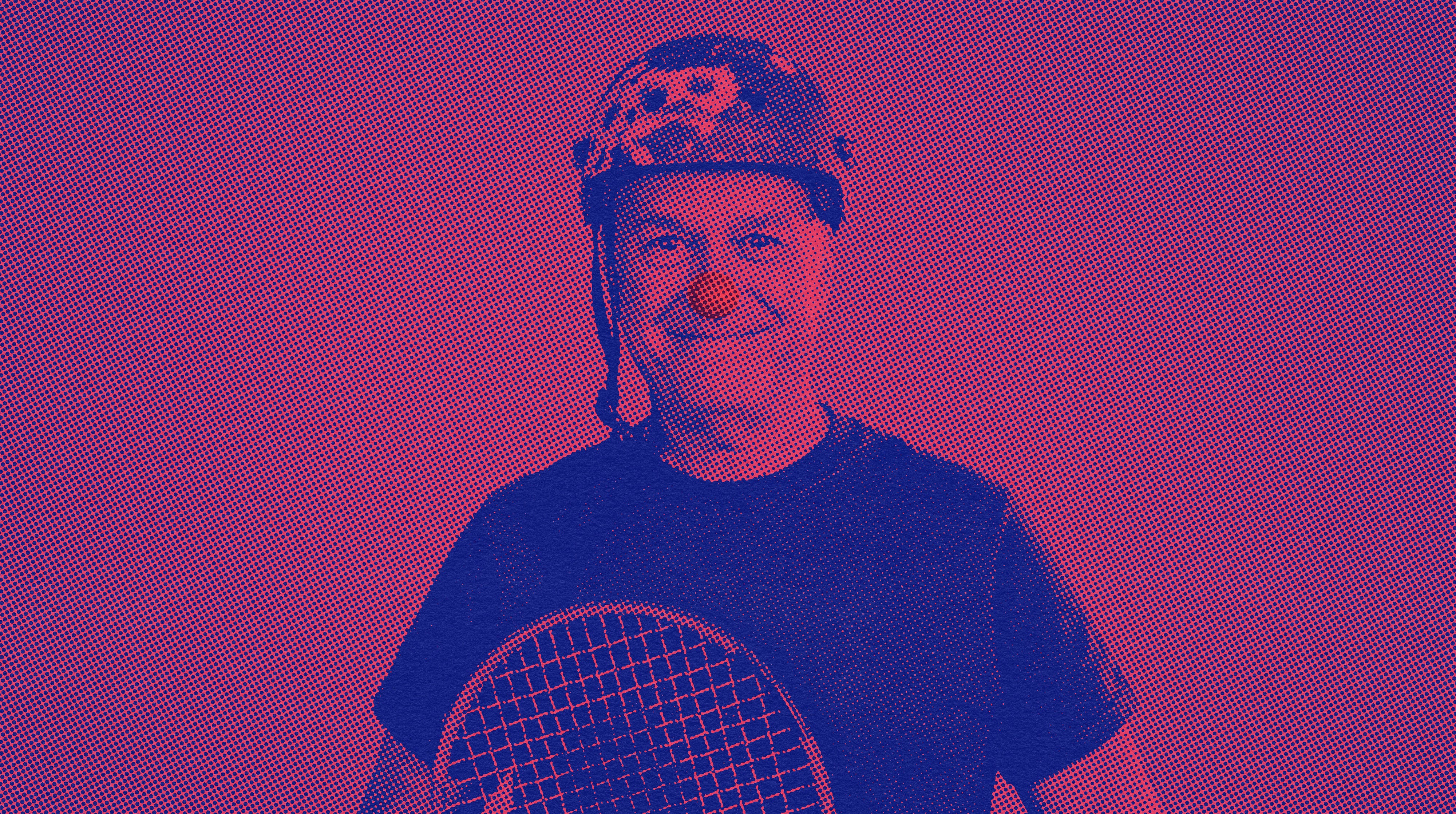
The first was an interview with the skateboarder Tony Hawk. I’ve never been on a skateboard. I don’t look good in a helmet, or a plaster cast. But Tony was talking to me.
He turned pro at 14. He’s 58 now. He’s won every contest and landed every sponsor there is, and he says none of that was ever the point. Fixating on huge goals, he says, makes you lose the motivation to keep getting better.
When he was young, a bad skate would devastate him. Now he has the sangfroid of a man who has fallen down a lot of half-pipes. “I just walk away like, eh, it wasn’t a great day, but it was fine. It wasn’t good. It was good enough.”
He can’t do what he did at 18. He skates every day anyway. He still wakes up in the middle of the night to write down ideas for new tricks. He calls skateboarding his Zen.
—
The second story was about the tennis player Frances Tiafoe, who in the past year or so has gone from the middle of the pack to the top 10. His transformation took most people by surprise.
For years, Tiafoe was mostly having a good time. Periodically, he’d tell his team this was it; he was finally going to get serious and start kicking ass. Then he wouldn’t. Practice was boring. It was too hard. He had enough talent to scrape by.
Then he ran into Stephen Curry, who said, “I always see pictures of you out having a great time, but I never see any of you on the practice court, putting in the work.”
That did it. Tiafoe went monastic. He ate properly, trained for hours, read 10 pages of nonfiction a day, and started quoting Romans 8:18: “…our present sufferings are not worth comparing with the glory that will be revealed in us.”
Mostly, he stopped letting a bad day be an excuse. You miss shots. You lose matches. In any tournament, only one player never loses. That’s tennis. Get back to work.
—
The third story was in the science section. Researchers looked at how people react when someone screws up in public. If you’re mortified, apologize over and over, and beat yourself up in front of everyone, people think a lot less of you than they would have if you’d just made the mistake and moved on. They think you’re overreacting. Even worse, they think you think too much of yourself.
What works is laughing. Make a joke out of the pratfall, and people laugh with you. They see you’re human and fine with it. Most of them won’t even remember the flub unless you make a big deal of it.
—
I put the paper down and thought about the three of them.
Frances has my admiration. But I’m not ready to go full monastic and besides I don’t need to be the best.
The laughter researchers are surely right, and I’ve given them plenty of material lately.
But Tony is 58, eight years younger than me, and he’s who I want to be when I grow up.
He’s a grandfather now. He eats early, goes to bed early and takes his supplements. Four and a half years ago he broke his leg on a trick he’d done thousands of times, and he’s retired a lot of the old ones since. The day of the interview he was on his way to skate anyway, with no plans to try anything crazy. He says he’ll often turn up in a lousy mood and notice, somewhere in the middle, that he feels good.
I know that feeling: sitting down to draw when I just don’t wanna, but doing it anyway. The drawing can be a turd, but I still get up from my desk feeling better than when I sat down.
Tony’s wife gave him some advice I plan to steal: show up, skate your basic stuff, and people will just be glad you came.
So that’s the plan for the next Draw With Me. Show up and draw my basic stuff.
Then I’ll make some tea and watch Frances kick butt in Turin.
Your pal,
Danny
P.S. Last week I told you about my new workshop, Vincent van Gouache. A lot of readers sprinted over and signed up, but perhaps you didn’t. It’s not too late. Click here.
Interesting folks with valuable stories.
Is art and drawing a sport?
I always enjoy your writing. Thanks for putting in the work.